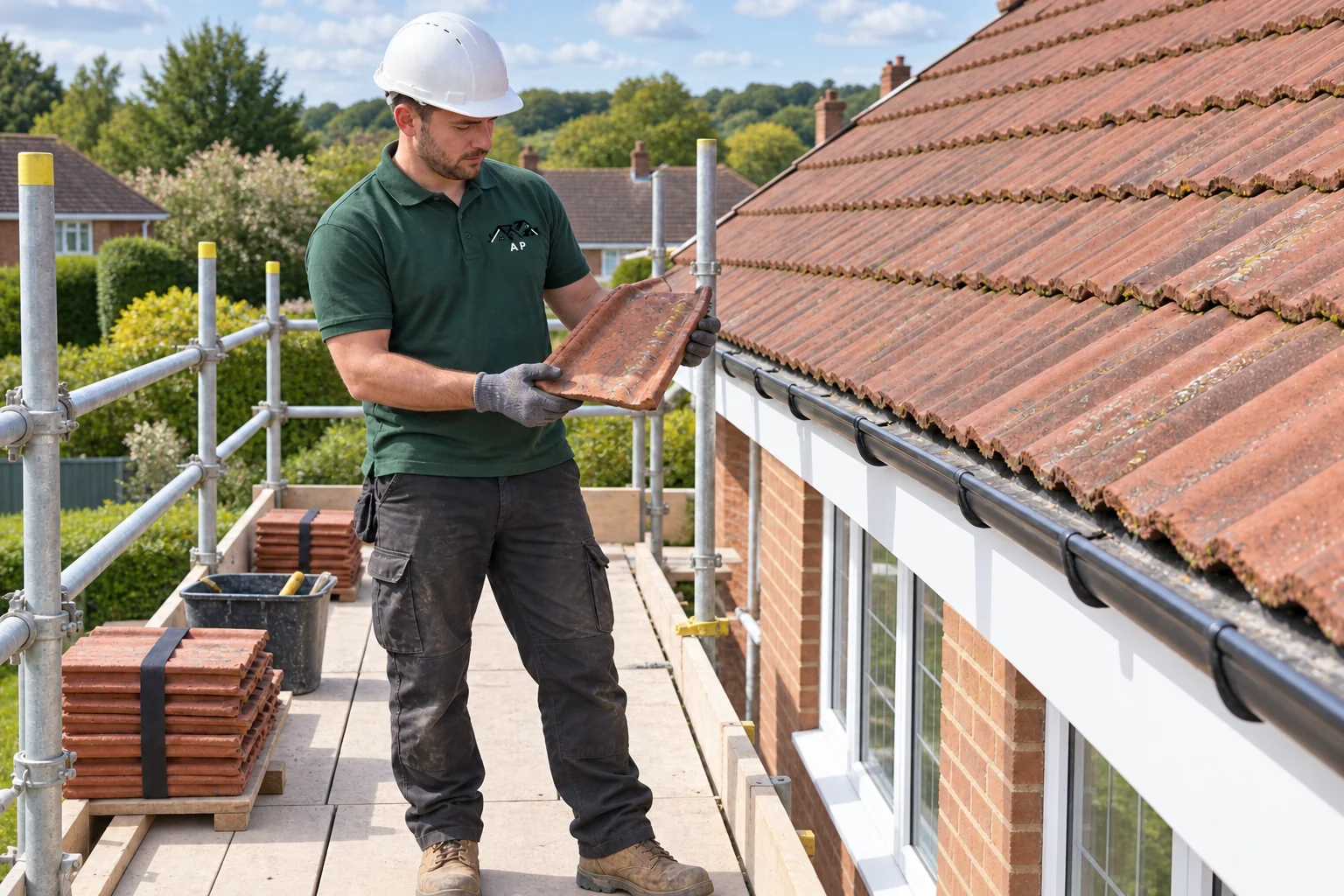
Local Crawley coverage with the technical detail behind it
When a roof leaks in Crawley, the weather often exposes a detail that has been weakening for a while: a slipped tile, open flashing, tired flat-roof seam or blocked valley. We trace the route, check the surrounding roof and explain whether the problem is genuinely local or part of wider ageing.
Areas of Crawley we cover
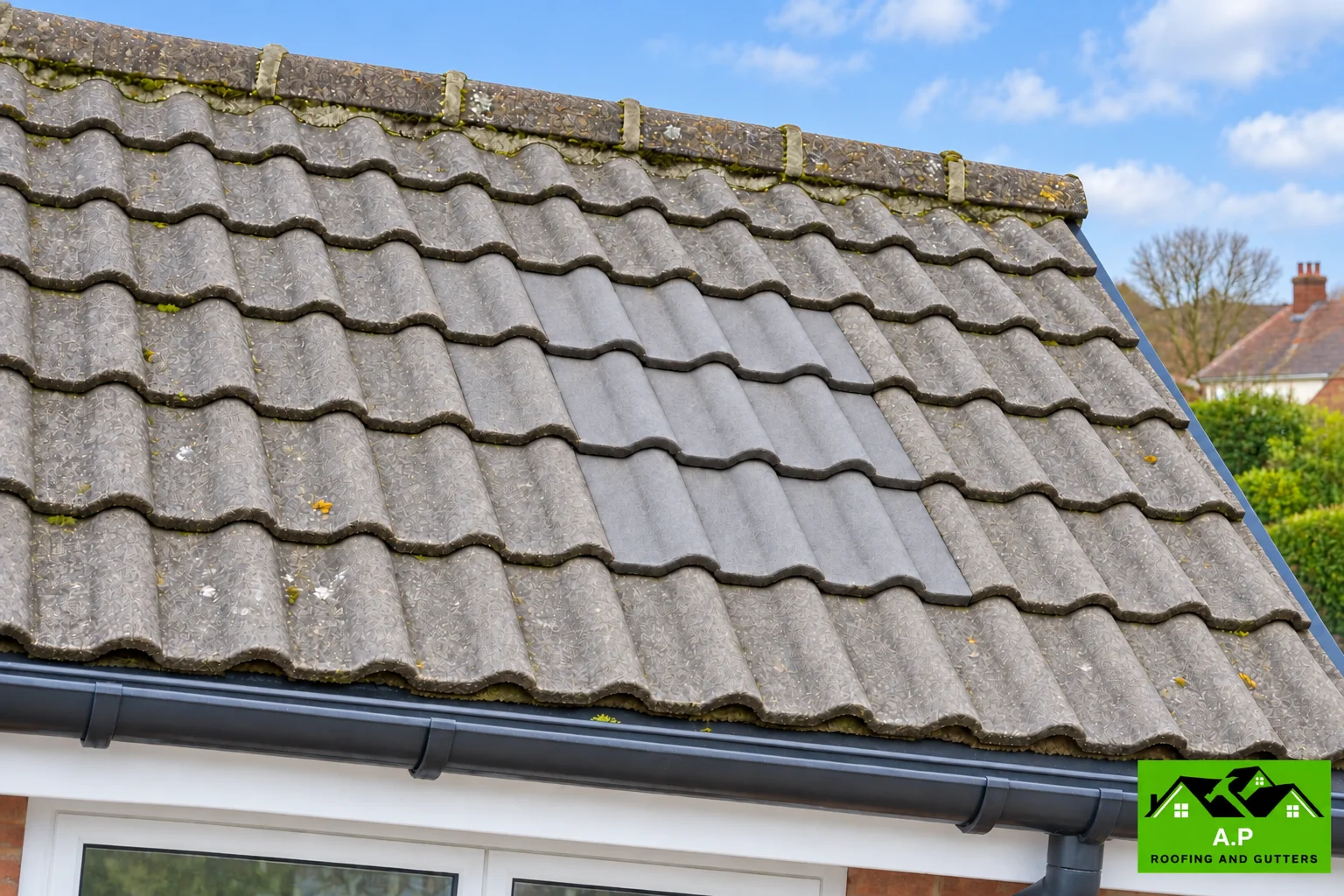
Ifield, Pound Hill, Three Bridges, Maidenbower, Tilgate, Broadfield and surrounding RH10/RH11 neighbourhoods. We also work in Three Bridges and nearby towns including Horley, Horsham and East Grinstead.
Many Crawley streets were built in coherent phases, so neighbouring homes can share tile profiles and roof forms. That is useful context, but extensions, loft work, replacement coverings and decades of repairs mean two similar houses can now behave very differently. We inspect the roof in front of us.
Conservation and planning context
Crawley Borough Council identifies designated conservation areas. That does not mean ordinary repairs suddenly become complicated, but if work changes external appearance, roof form or a protected building, it is worth checking the planning position first. Our Crawley roof planning guide links to the current council information.

Get the right next step
Send the postcode, a short description and any safe ground-level photos you already have. We can then arrange an inspection or advise what information we need next.
Small repairs are a service in their own right
A single slipped tile, damaged slate or failed gutter joint does not have to become a reroof. Where surrounding material is sound, a local repair can be the appropriate solution. We inspect the supporting detail and nearby covering so the replacement is secure and compatible. If the same fault has returned after earlier work, we investigate the reason rather than repeating the same patch.
Leaks at the parts where roofs meet
Valleys, chimneys, dormers and extension abutments often combine different materials and concentrate water. A defect there can produce an indoor stain some distance away. We consider the rainfall pattern, roof geometry and previous alterations when tracing the route. Flashing, drainage and concealed soakers may need attention even when the main tile field looks intact.
Repair, sectional renewal or replacement
The condition around the fault determines how far the repair needs to extend. A local detail can be rebuilt against sound material; a larger valley or slope may need a defined section renewed. Where failures are widespread, planned replacement becomes a more credible option. We set out the evidence and scope so the decision is based on the roof, not just its age.
Getting an estimate across RH10 and RH11
Tell us the postcode, where the damp appears and whether water is entering now. Mention recent storms, aerial work, solar installation or loft alterations. Photos taken from a safe place can help prepare the visit. We explain what can be established visually and whether selective opening is needed to confirm hidden damage before the permanent repair is agreed.