Local Crawley coverage with the technical detail behind it
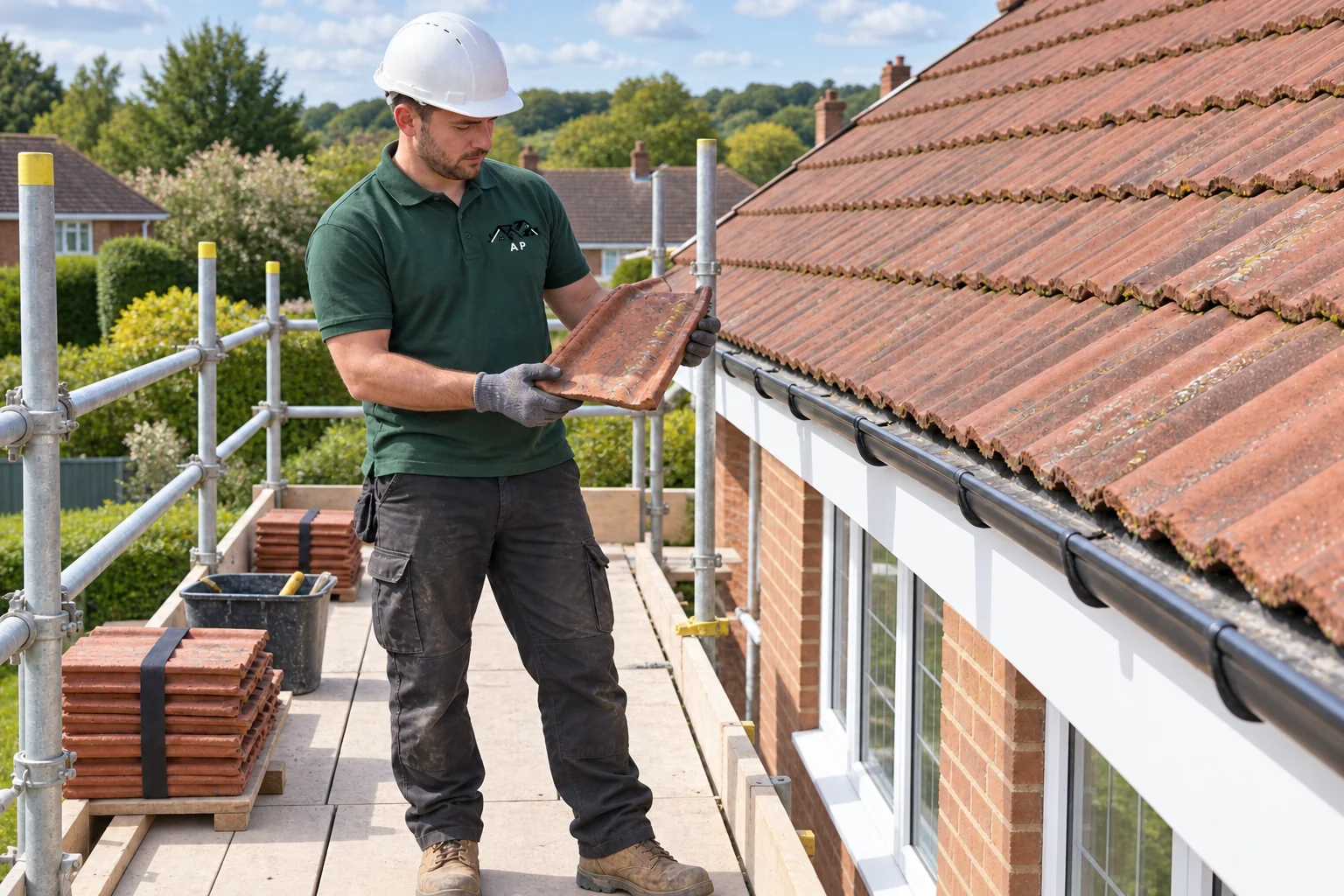
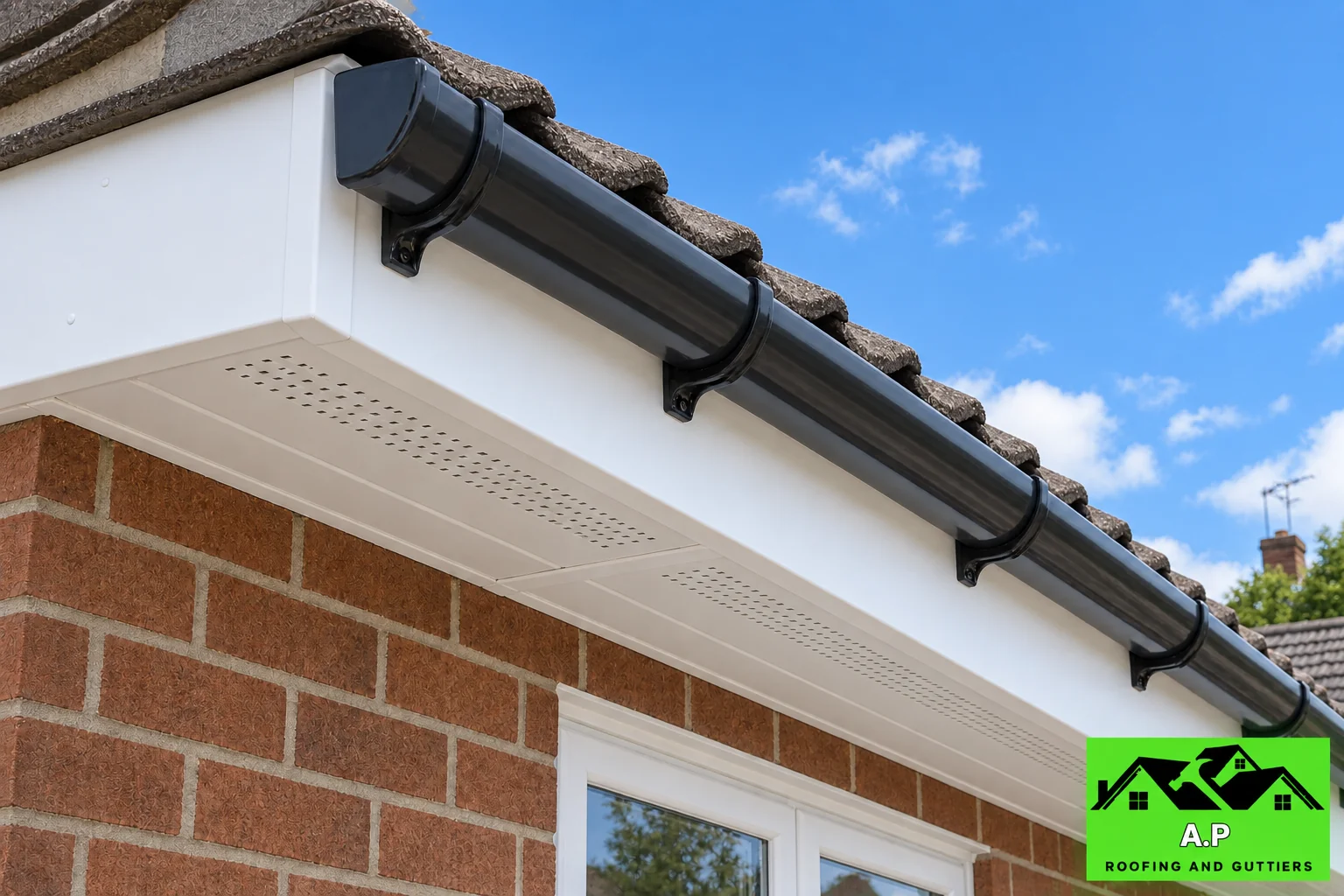
A neat uPVC roofline can still hide poor timber or blocked airflow behind it. When we work on fascias and soffits, we check the edge of the roof and the ventilation route rather than treating them as decorative trim alone.
Areas of Crawley we cover
Crawley, Three Bridges, Pound Hill, Maidenbower, Tilgate, Ifield and surrounding RH10/RH11 neighbourhoods. We also work in Three Bridges and nearby towns including Horley, Horsham and East Grinstead.
Many Crawley streets were built in coherent phases, so neighbouring homes can share tile profiles and roof forms. That is useful context, but extensions, loft work, replacement coverings and decades of repairs mean two similar houses can now behave very differently. We inspect the roof in front of us.
Conservation and planning context
Crawley Borough Council identifies designated conservation areas. That does not mean ordinary repairs suddenly become complicated, but if work changes external appearance, roof form or a protected building, it is worth checking the planning position first. Our Crawley roof planning guide links to the current council information.
Get the right next step
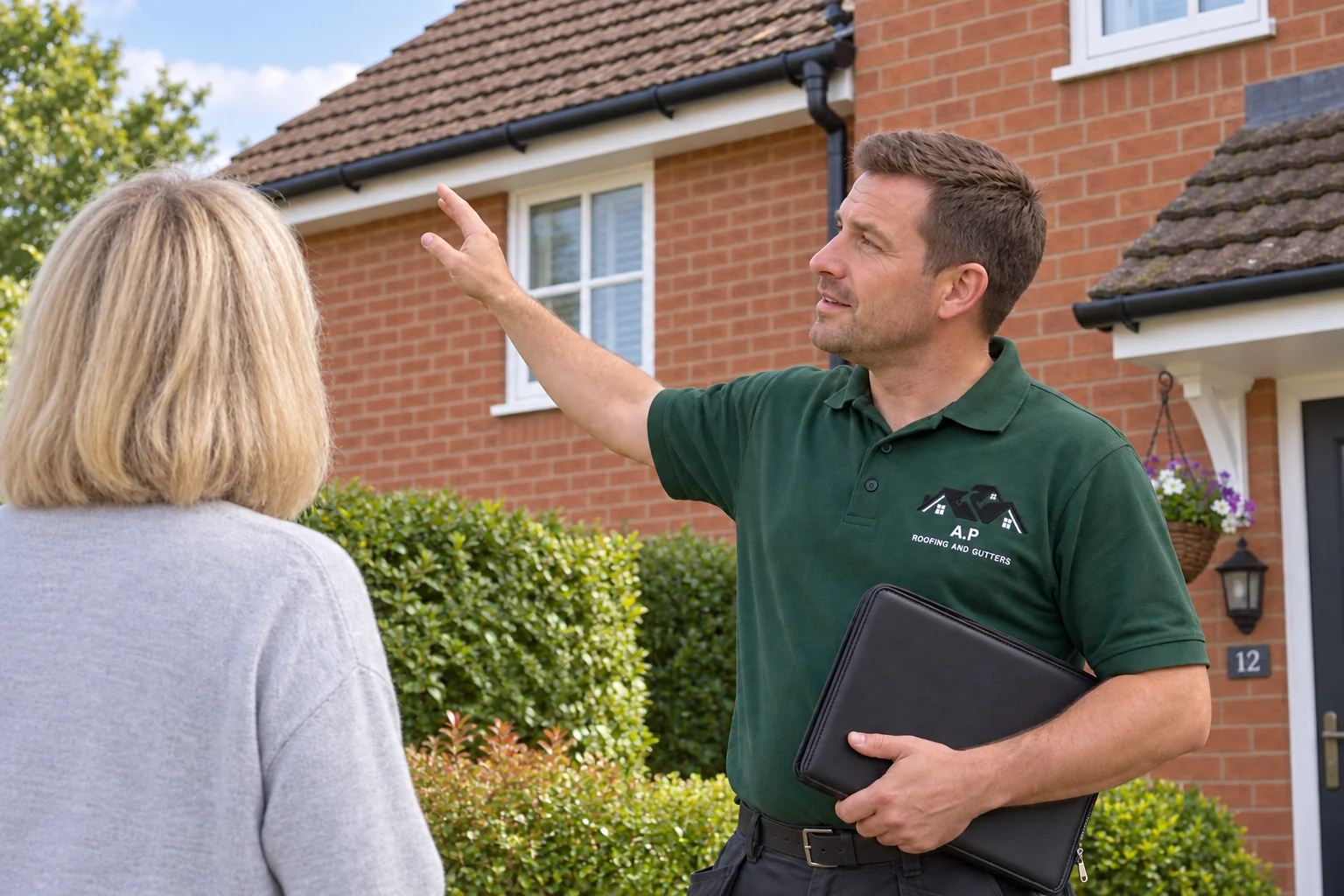
Send the postcode, a short description and any safe ground-level photos you already have. We can then arrange an inspection or advise what information we need next.
Inspect behind the visible roofline
Peeling fascia paint or an untidy soffit may be cosmetic, but softness, repeated staining or loose gutter brackets can indicate water damage. We check how runoff leaves the tiles, whether the gutter is aligned and whether the timber behind the board remains sound. Replacing the face without addressing the water route can hide the same defect beneath new material.
Replacement versus capping
Capping retains the existing board beneath a new finish; full replacement removes it so the support and eaves can be inspected. They are different scopes and should be priced accordingly. Where timber is decayed or fixings are weak, an overcap is not a structural repair. We explain what is proposed and how unexpected deterioration at rafter ends or eaves will be handled if it becomes visible during the work.
Keep the ventilation and drainage working
Some roofs rely on airflow through the eaves or soffits. New boards should preserve that route or incorporate an appropriate redesigned detail. Gutter brackets need sound support and suitable alignment, while the underlay edge must discharge correctly. We coordinate these parts so the finished roofline does more than look straight from the street.
Plan around extensions and conservatories
Lower roofs, glazing and narrow access can affect the equipment needed to reach the eaves safely. Mention these when arranging a Crawley estimate. Colour, profile and the condition of existing gutters should also be discussed early, particularly if you want a consistent finish around several elevations.