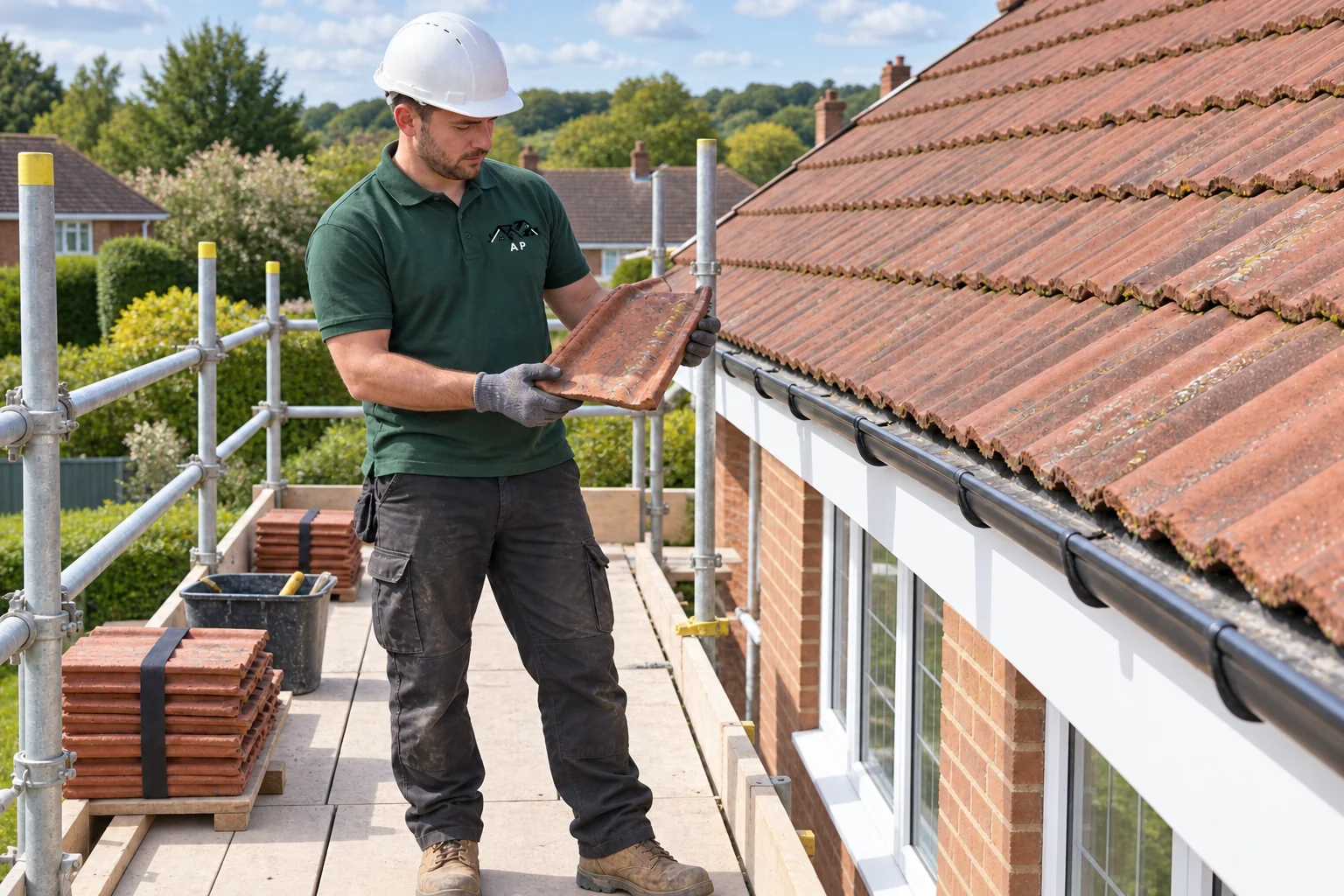
Local Crawley coverage with the technical detail behind it
An active leak or storm-damaged roof needs a calm first step: make the area safe, reduce further water entry where conditions allow, then plan a permanent repair. We do not turn every urgent call into a full-roof sales pitch.
Areas of Crawley we cover
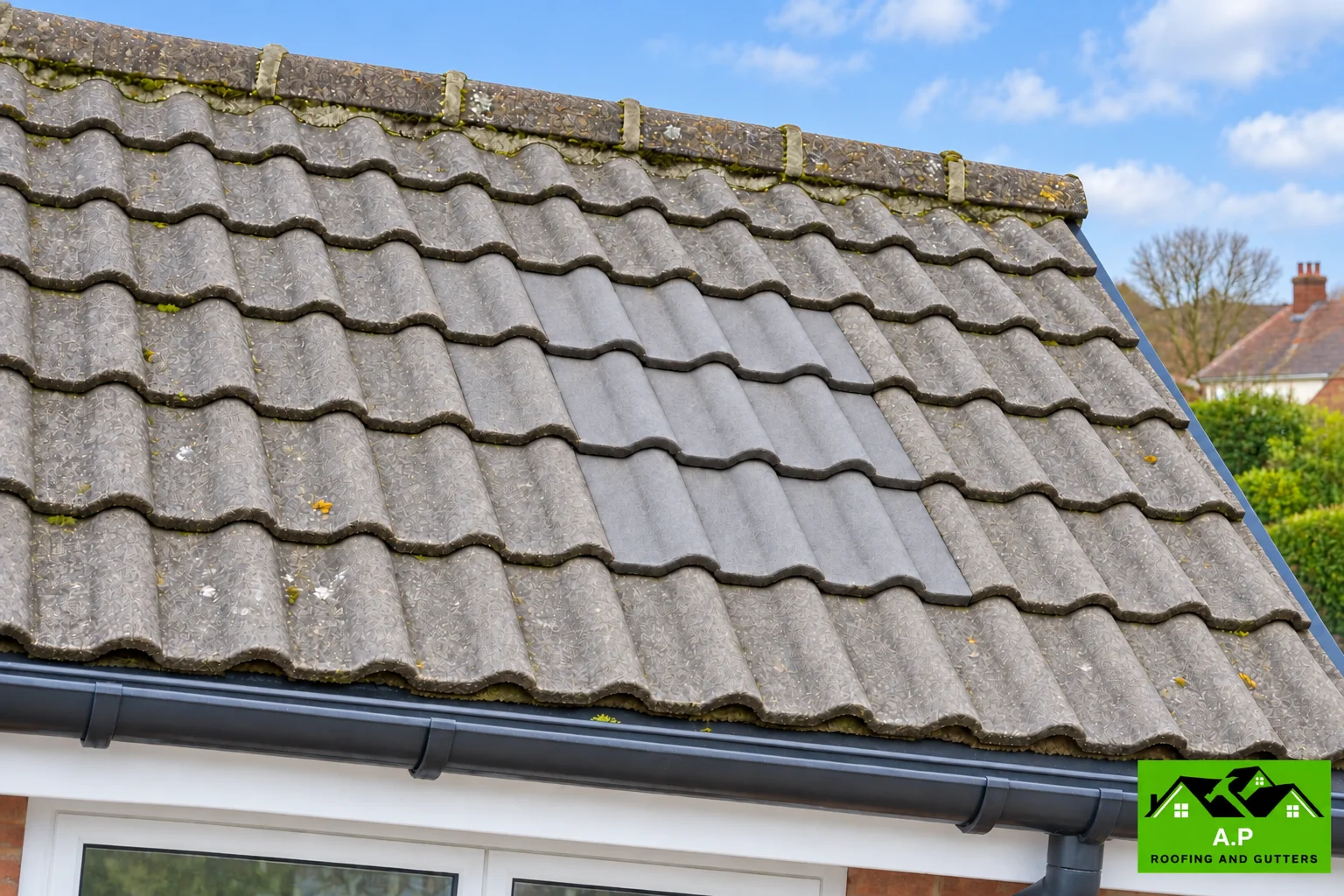
RH10, RH11, Three Bridges, Pound Hill, Ifield, Southgate and surrounding RH10/RH11 neighbourhoods. We also work in Three Bridges and nearby towns including Horley, Horsham and East Grinstead.
Many Crawley streets were built in coherent phases, so neighbouring homes can share tile profiles and roof forms. That is useful context, but extensions, loft work, replacement coverings and decades of repairs mean two similar houses can now behave very differently. We inspect the roof in front of us.
Conservation and planning context
Crawley Borough Council identifies designated conservation areas. That does not mean ordinary repairs suddenly become complicated, but if work changes external appearance, roof form or a protected building, it is worth checking the planning position first. Our Crawley roof planning guide links to the current council information.
Get the right next step
Send the postcode, a short description and any safe ground-level photos you already have. We can then arrange an inspection or advise what information we need next.
Start with the immediate risk
When you call, tell us whether water is entering now and whether tiles, ridge pieces or flashing are loose above a path or doorway. Give the postcode and explain which part of the building is affected. We confirm availability and the safest next step. Attendance and the work possible depend on conditions; high winds, fragile surfaces or wet materials can limit access and prevent a permanent repair on the first visit.
Temporary protection and permanent work
An urgent visit may focus on limiting ingress or securing an unsafe detail. That is different from renewing the damaged roof section. Once a fuller inspection is possible, we assess the covering, supports and surrounding fixings and quote for the permanent repair. The distinction matters when comparing costs and understanding any guarantee. A temporary measure should have a clear purpose and follow-up, rather than quietly becoming the final answer.
Safe steps while waiting
Move possessions away from drips if it is safe and keep people out of rooms with bulging ceilings. Avoid wet electrical fittings and seek qualified electrical help where water reaches them. Do not climb a ladder in the storm or attempt to secure loose sheeting yourself. Photos taken from the ground can help, but protecting people comes before documenting the roof.
Useful information for the return visit
Tell us about solar panels, rooflights, conservatories and restricted side access. Keep a record of the weather and any fresh internal marks. If an insurer is involved, retain photos and the descriptions of temporary and permanent work separately. We can describe the observed roofing defect and proposed repair; the insurer decides policy cover.