In this guide
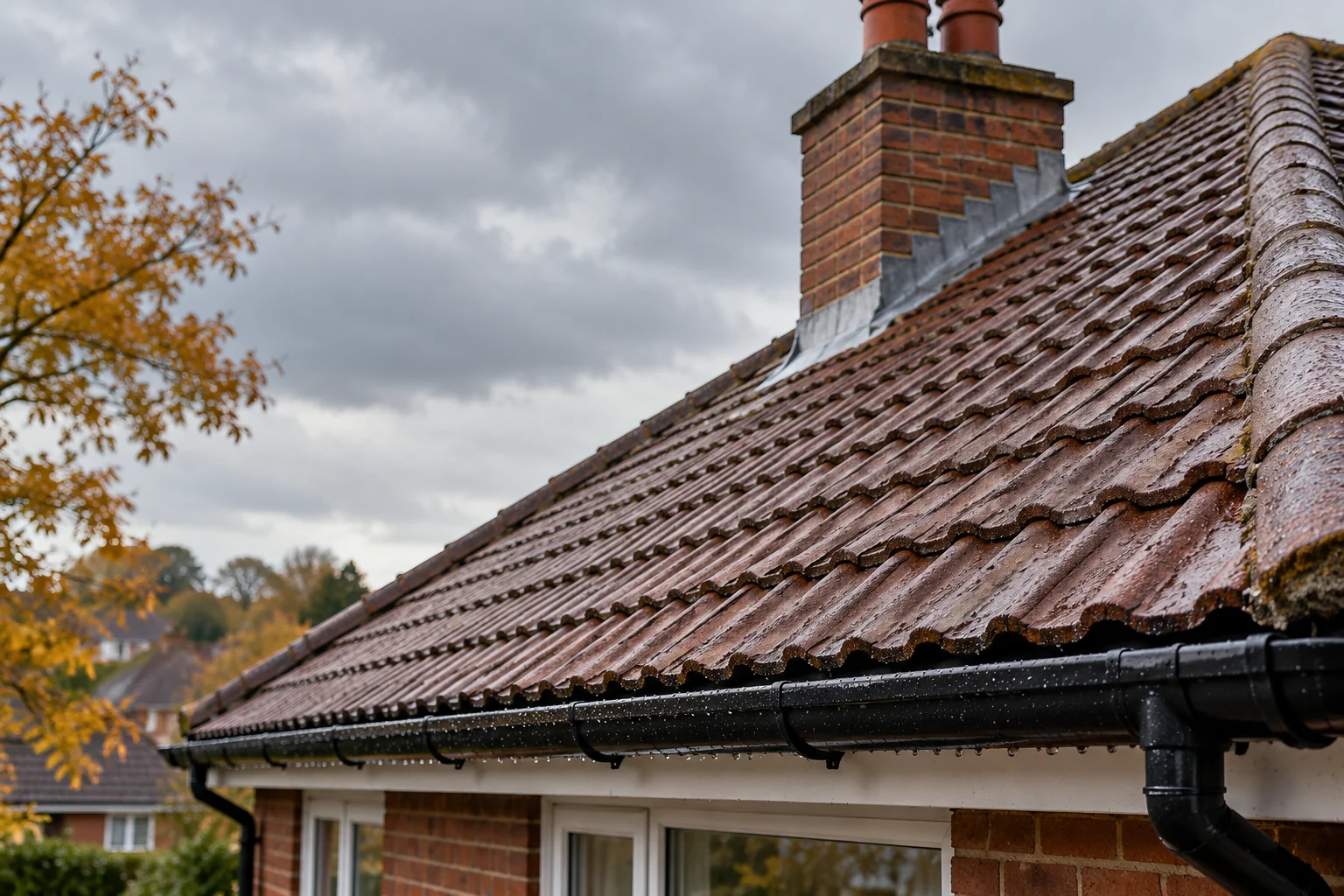
Protect people first, contact your insurer if you may claim and record what you can from safe positions. A roofer can describe observed defects; the insurer decides cover under your policy.
Safety comes before the photograph
An image is never worth standing beneath unstable masonry or climbing onto a damaged roof. The Met Office advises against repairing damage while a storm is still in progress. Wait until it is safe to make observations and keep clear of fallen electrical cables and loose materials.
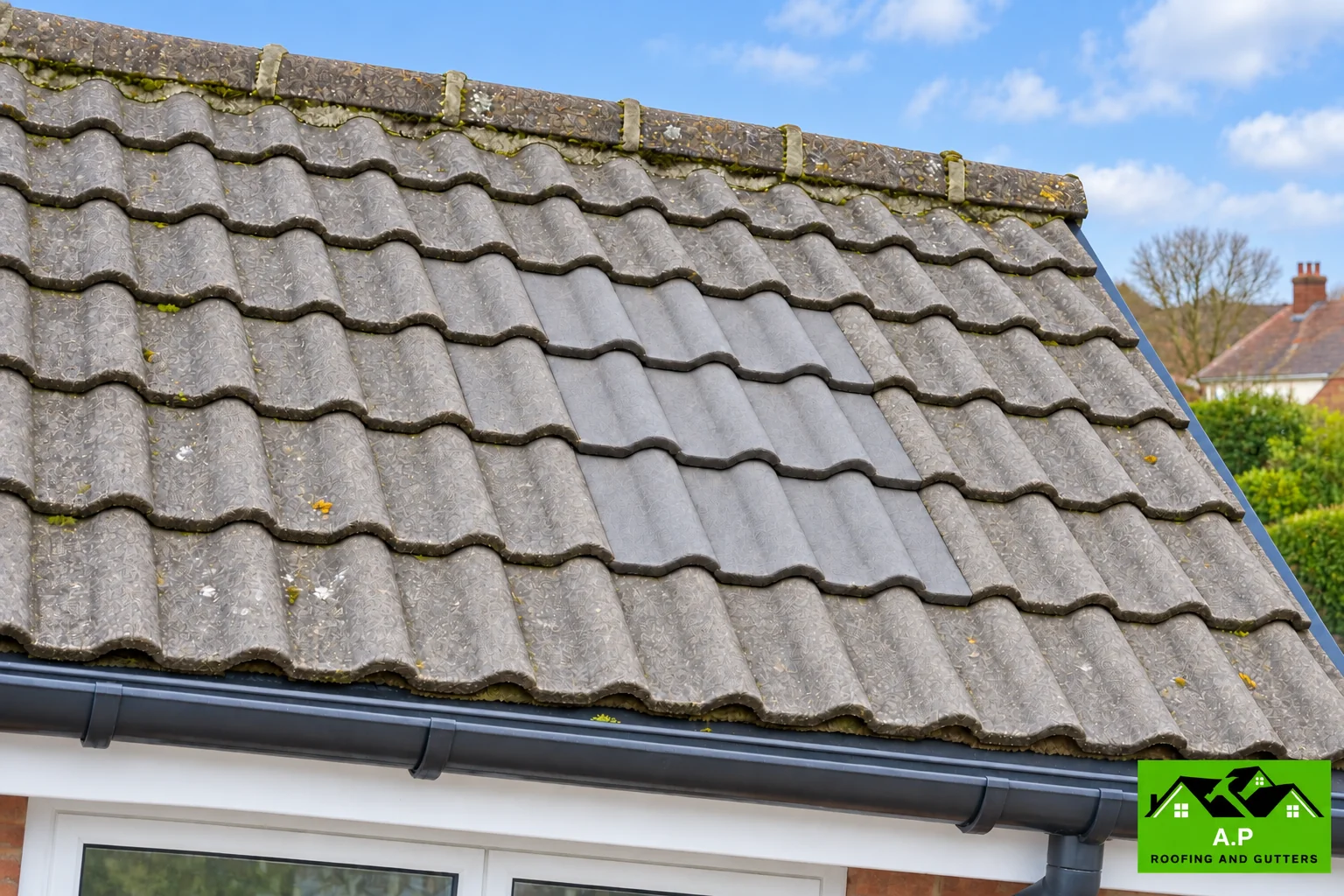
[1]If you can safely photograph the property from ground level, include a wider view as well as the damaged area. Do not cross a neighbour’s boundary or stand in a road to get a better angle. If the roof cannot be seen safely, say so when arranging the inspection. Access and close photographs belong in the contractor’s plan.
Write down what you know, not what you assume
Record the date you first noticed the problem, what you heard or saw and which rooms are affected. Distinguish a tile found in the garden from a tile you actually saw fall. Note any previous leak or repair rather than leaving it out because you think it weakens the story.
Useful photographs include a safe general view, visible displaced materials and indoor staining from a dry position. Label them with simple descriptions. Avoid editing images to exaggerate the damage or giving a contractor an invented account of the weather. The record should help someone understand the condition, not persuade them through drama.
Speak to the insurer early if a claim is possible
The ABI recommends contacting the property insurer promptly, discussing necessary emergency measures and keeping receipts. Ask your insurer what authorisation is needed before permanent work and what evidence it wants retained.
[2]Keep the claim reference and a short note of the conversation with your repair documents. If immediate protection is necessary, tell the insurer what has been arranged. Do not assume a roofing quotation is approval to proceed under the policy, and do not assume that paying for an emergency visit guarantees reimbursement.
Ask for a report that explains the findings
A useful roof record identifies what was inspected, any access limitations, visible defects and the reasoning behind the proposed work. Ask for observations to be separated from opinions about the cause. If a wider renewal is recommended, the report should explain why a smaller repair is unsuitable.
The Financial Ombudsman Service considers the weather, type of damage and property condition when reviewing storm disputes. It highlights the value of detailed expert reasoning supported by clear photographs. A label saying only “storm damage” gives less information than a description of the actual failure.
[3]Keep temporary and permanent work distinct
A temporary intervention should say what it is intended to protect, what limitations remain and what follow-up is required. Keep its invoice separate from the permanent repair proposal so the sequence remains understandable. Ask when the area should be reinspected and what to do if water appears again.
For permanent work, compare the same scope across quotes. Does each include access, disposal, replacement materials and the affected junctions? If one proposal includes wider renewal, ask for that decision to be explained. Price alone does not show whether two contractors are allowing for the same work.
Bring the record together before making good
Keep dated photographs, messages, quotations, invoices and any product paperwork in one place. Record the completion date and ask what checks or follow-up are included. Internal decoration can be a separate part of the recovery, so discuss drying and affected materials with the relevant contractor or insurer before closing the file.
AP Roofing can assess storm damage in Crawley and explain the proposed roofing work. We do not decide whether a policy covers a loss. If the problem is active water entry, say so when calling our emergency roof repair service, along with any ceiling, electrical or falling-material risk.
Your questions
Does a named storm guarantee an accepted claim?
No. Your insurer assesses the circumstances and policy terms. The storm name alone does not establish cover.
Can the roofer approve my claim?
No. A roofer can provide observations, photographs and a repair proposal. The insurer decides the claim.
Should I wait for the insurer before making anything safe?
Prioritise safety and contact the insurer promptly for instructions. Explain any necessary emergency protection and keep records and receipts.
Let’s look at your roof
Tell us what you have noticed and the property postcode. We will discuss access, the next step and a free estimate for the roofing work.
General homeowner guidance. Arrange an assessment of your own roof before choosing repairs or changing its insulation.