In this guide

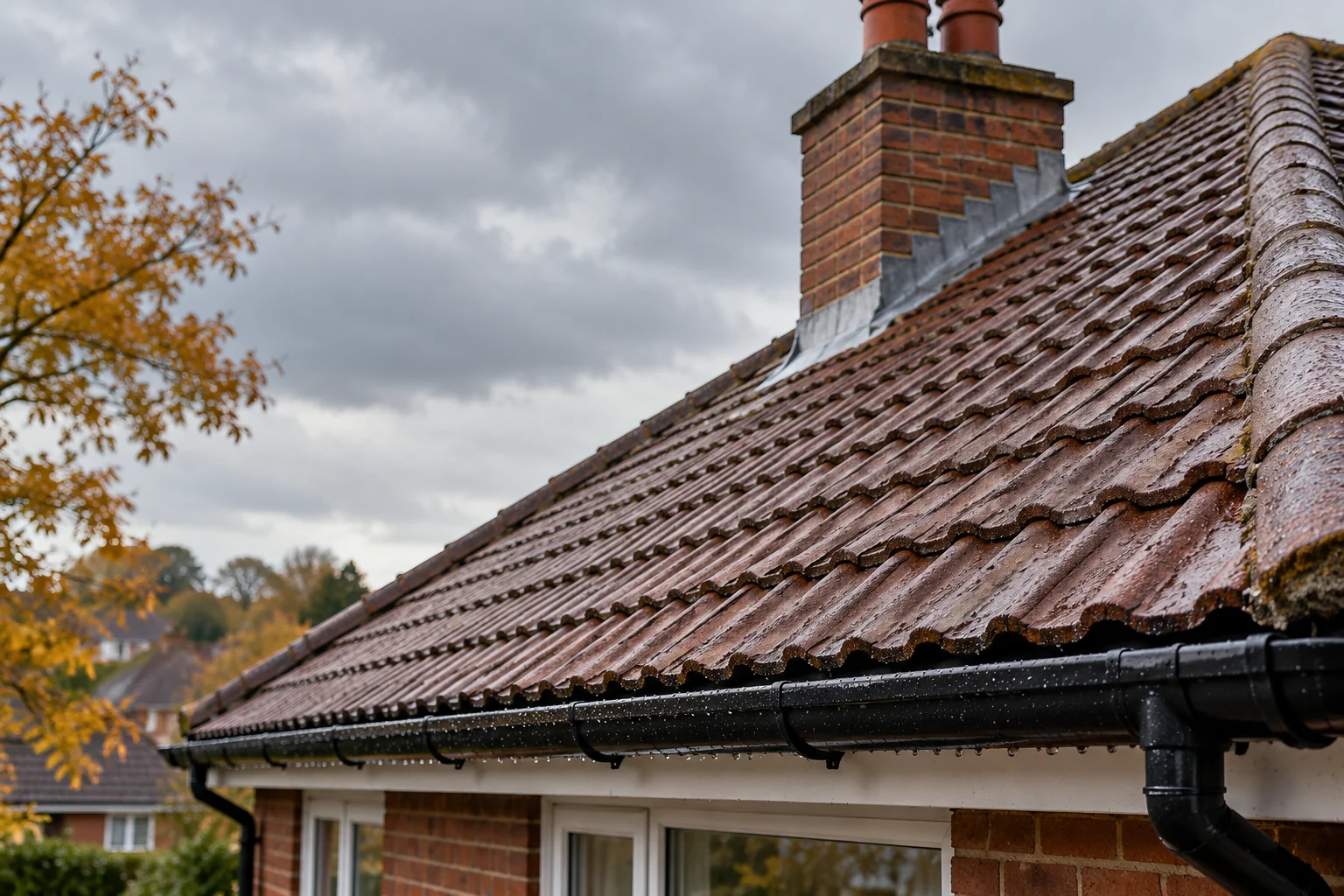
A winter reroof should be planned around actual weather and the chosen roof system. Agree how open areas will be protected, what would pause work and who handles changes before the roof is stripped.
The month is only the starting point
A winter start date is not automatically a bad decision, and a summer date does not guarantee dry weather. The useful question is whether the proposed programme fits your roof, the access and the materials. Ask the contractor to explain the sequence in plain language, including what happens if conditions change halfway through.
If you already have an active leak, discuss how the building will be protected while the replacement is organised. Sometimes a targeted interim repair is appropriate. Sometimes the main project can proceed once access and conditions allow. These are decisions for the inspected roof, rather than a rule that every winter leak must wait until April.
Agree what happens at the end of each day
For reinforced bitumen felt systems, SOPREMA advises avoiding unsuitable weather, keeping successive layers moving and forming a sealed night joint to protect part-completed work. The exact method must suit the system being installed.
[1]For your quote, ask which areas are opened at a time and how they are left if rain arrives early. A statement that the roofer will “keep an eye on the weather” is not the same as an agreed plan. Discuss forecasts, storage, access and who you contact if a problem appears outside working hours.
Ask about product-specific conditions
Bauder explains that cold conditions change adhesive behaviour and extend curing times; its guidance also stresses clean, dry substrates. The limit for one product should not be copied across every felt, liquid or membrane system.
[2]Ask which products are specified and whether the contractor is following their current instructions. It should be clear who decides when the surface and conditions are suitable. Rushing to apply a finish before a shower is not a useful substitute for meeting the product requirements. If a delay is needed, ask how the roof will remain protected in the meantime.
Access is part of the project
HSE guidance emphasises planning safe roof access and edge protection, including the risks around fragile surfaces and rooflights.
[3]On a lived-in house, discuss the practical details alongside the roof: where the scaffold goes, whether a driveway is needed for materials, how doors remain usable and how waste is removed. Ask what household members should expect while work is in progress. A lower price that leaves these matters undefined is difficult to compare with a fully scoped proposal.
Use the opportunity to review the whole build-up
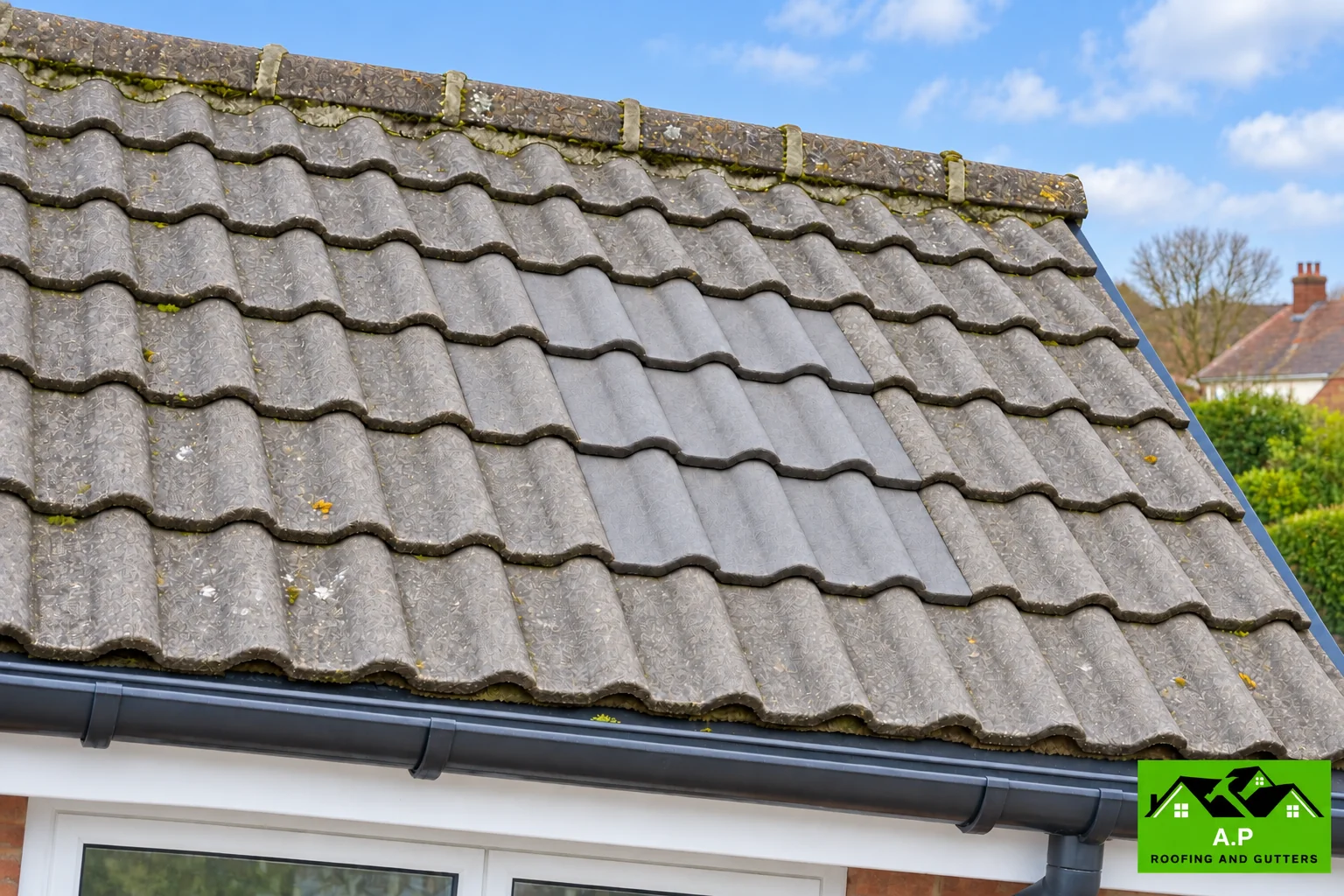
A replacement quotation should make clear which existing components are retained and which are renewed. Ask about underlay, battens, fixings, ridge and verge details, flashing, drainage and any proposed change to insulation. If hidden timber defects are discovered, agree how they are photographed, priced and approved.
Building control requirements can apply to roof renovation as well as structural changes. Planning Portal explains the relevant considerations; confirm the route for your particular scope before starting, including any required insulation upgrade. Planning permission and building regulations are separate questions.
[4]Make the quotation usable if the weather changes
Get the payment stages, anticipated sequence and approach to weather delays in writing. Ask whether scaffold hire extensions are included and how a changed programme affects the final price. Keep product specifications and approval paperwork with the completed project record.
AP Roofing’s Crawley reroofing service can discuss pitched and flat replacement work, with repairs considered where the wider roof remains serviceable. For a damaged roof after high winds, start with our storm damage repair team. The aim is a practical plan for the roof you have, including what can be done safely now and what needs suitable conditions.
Your questions
Can a roof be replaced while it is raining?
The work sequence and product requirements matter. Exposed work and moisture-sensitive applications need suitable conditions and a weather protection plan.
Does winter reroofing always cost more?
There is no universal seasonal price. Access, specification, scope and the treatment of delays determine the quotation.
Should I agree a fixed completion date?
Discuss an anticipated programme and how weather delays will be handled. Avoid a promise that depends on unsuitable working conditions.
Let’s look at your roof
Tell us what you have noticed and the property postcode. We will discuss access, the next step and a free estimate for the roofing work.
General homeowner guidance. Arrange an assessment of your own roof before choosing repairs or changing its insulation.