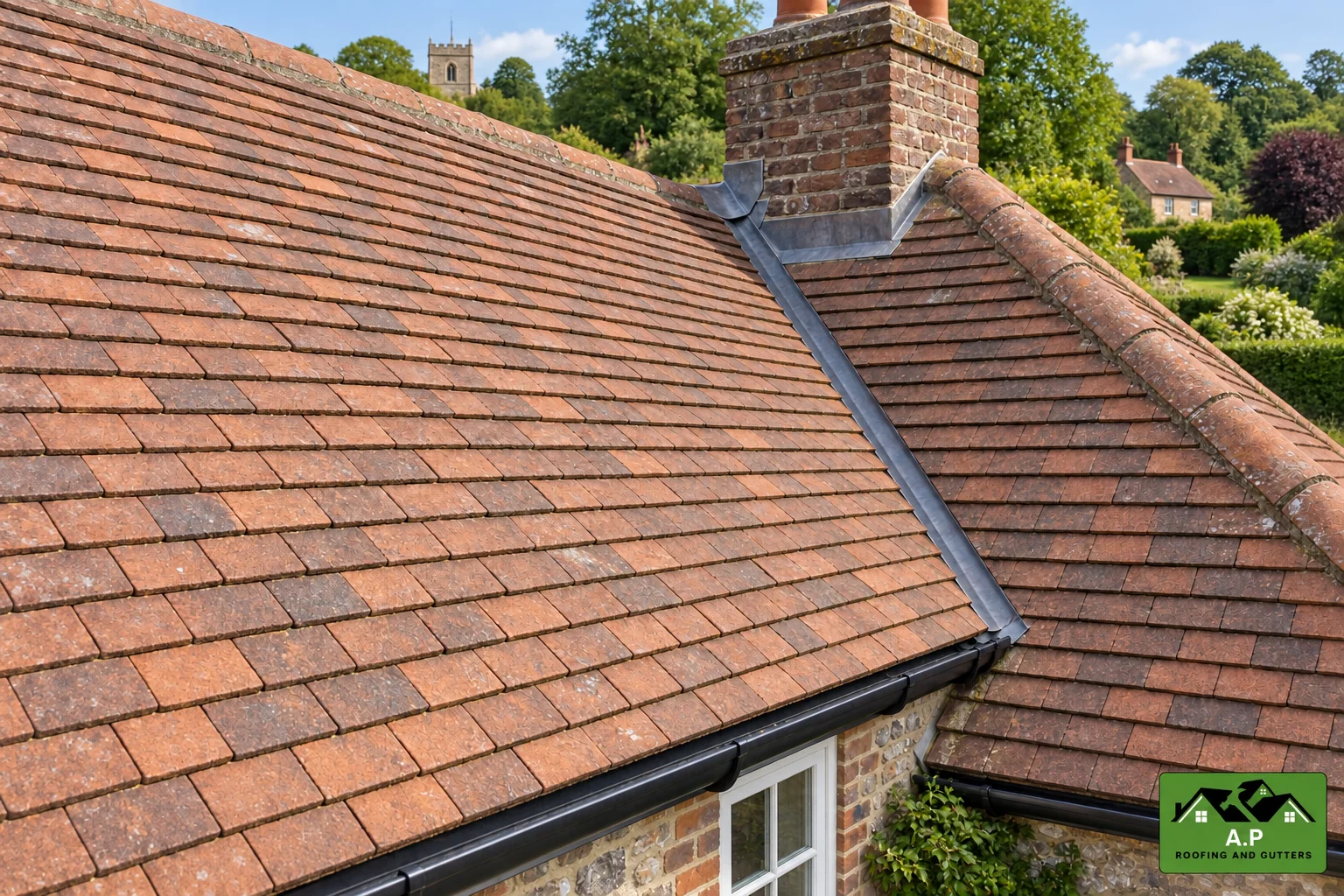
Pressure cleaning can be useful on some robust exterior surfaces, but a roof is not a patio. Tile surfaces, laps, mortar, membranes and flashings can all be damaged by inappropriate pressure or by spraying water in the wrong direction.
We assess the material before recommending pressure cleaning and will suggest a lower-impact method where the risk outweighs the cosmetic benefit.
Why roof coverings need caution
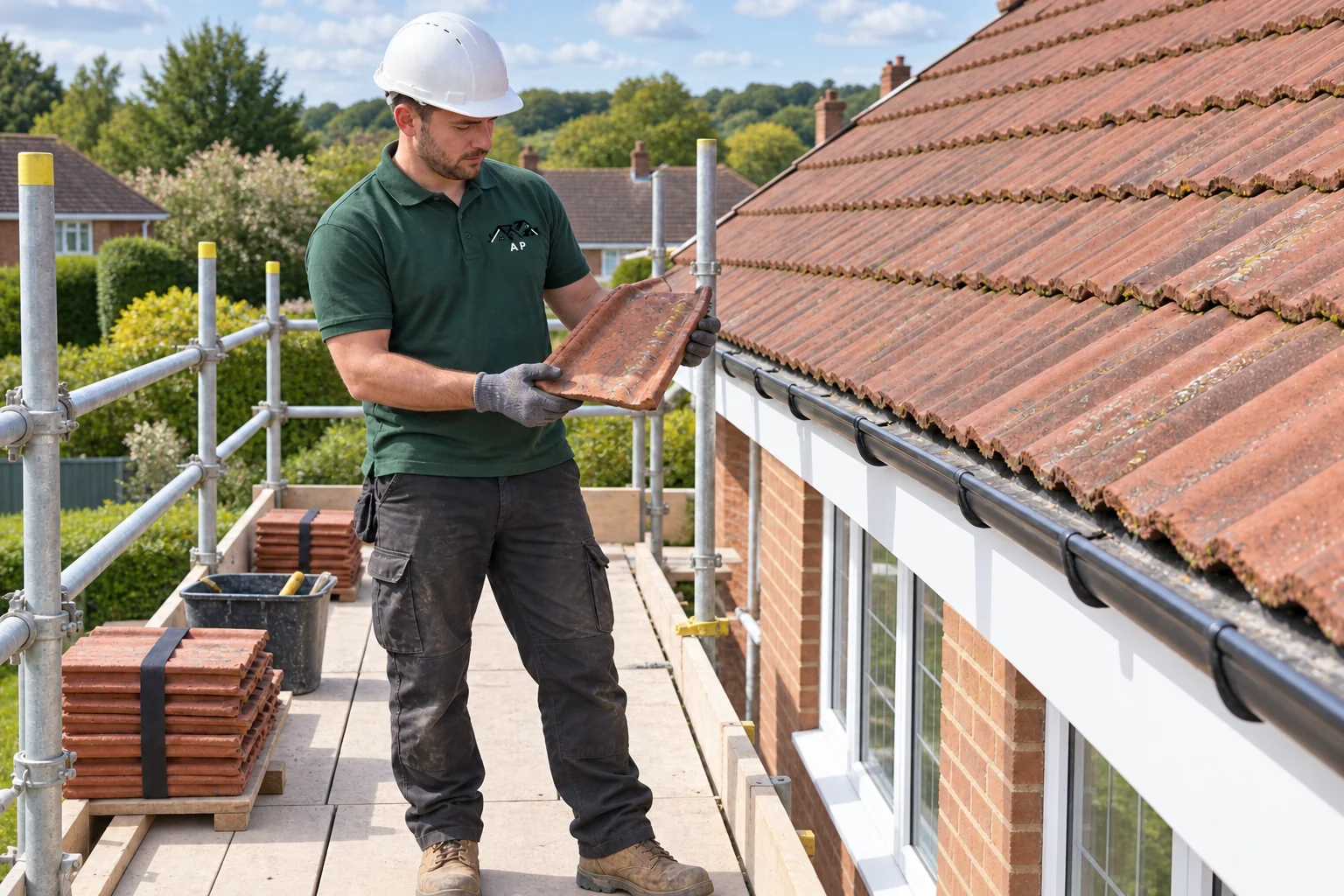
Concrete and clay tile manufacturers warn that high-pressure washing can damage finishes and force water beneath laps. Older tiles may also have hairline cracks or weathered surfaces that are not obvious until cleaning begins.
A roof should therefore be inspected before any aggressive cleaning method is considered.
Direction of water matters
Roof coverings are designed to shed water down the slope. Spraying upwards into interlocks and headlaps reverses that design and can drive water into the roof space.
Even lower-pressure cleaning needs controlled technique, sensible stand-off distance and awareness of vulnerable junctions.
Exterior surfaces that may be more suitable
Some hard external surfaces, walls and robust roofline components can tolerate controlled pressure better than roof tiles. Material, coating, joint condition and nearby openings still need assessment.
We protect drainage and neighbouring areas from dislodged debris during cleaning.
Cleaning is not restoration
Pressure cleaning can change appearance but it will not repair worn tile edges, failed mortar, cracked flashing or a leaking roof. If cleaning exposes defects, those are quoted separately rather than hidden under a cosmetic service.
On roofs where the material is fragile, heavily weathered or unsuitable, we will say so rather than sell the wrong process.
Choose the process after identifying the surface
Concrete tiles, clay tiles, slates, render and paving do not tolerate cleaning in the same way. Age, previous coatings and the condition of joints also affect what is appropriate. We inspect the surface and the surrounding details before recommending controlled cleaning or a gentler alternative. On roofs, the direction of water and the risk of damaging laps are central concerns. Where the covering is unsuitable, a pressure-cleaning request may be better handled as careful moss removal or no cleaning at all.
Protect the building around the work
Windows, vents, electrical fittings, gutters and neighbouring property need to be considered before water or treatment is applied. Runoff and debris should be managed rather than allowed to collect in drains. A small trial area can help establish how a suitable surface responds, but it does not make an unsuitable roof safe to clean. Any defects revealed during the work should be recorded and quoted separately; the cleaning method itself should not be used to conceal damage beneath a cosmetic finish.
Set a realistic expectation for the finish
Cleaning removes certain deposits but does not reverse every effect of age. Staining, surface wear and differences between old repairs may remain. We discuss the intended result and the material limitations so you can judge whether the work is worthwhile before it starts.
Questions homeowners often ask
We do not treat high-pressure jet washing as a standard roof-cleaning method. Manufacturer guidance warns of damage and water ingress risks.
Yes. Weak or eroded mortar can be dislodged, which is why masonry condition is checked before cleaning.
No. Biological growth can return depending on shade, moisture and surrounding vegetation.
Technical guidance and further reading
What affects the size and cost of the job?
Cleaning prices depend on roof area, pitch, access, the fragility of the covering and how much debris must be controlled and removed. The safest method may also be slower than an aggressive wash that risks damaging the roof.
- Roof area and pitch
- Tile or surface condition
- Amount and type of moss, lichen or dirt
- Safe access and protection of people or neighbouring property
- Gutter and outlet clearance after cleaning
- Need for low-impact manual or chemical treatment instead of pressure
A quote you can actually compare
The quote should tell you the proposed cleaning method and what happens to loosened debris. If the process relies on high pressure, ask why that method is suitable for the exact roof covering rather than assuming stronger cleaning is automatically better.
We prefer defined scopes to vague allowances. If an important part of the roof cannot be confirmed until material is lifted, that uncertainty should be explained before work begins rather than appearing as a surprise at the end.
What we inspect and work on
Surface assessment before cleaning
Controlled exterior cleaning
Gutter and drainage checks
Roofline cleaning where suitable
Lower-impact alternatives when required
Related roofing services

More questions about this service
Is soft washing always safe for a roof?
No method is automatically suitable for every material. Treatment compatibility, application, runoff, access and roof condition still need assessment. A lower-pressure method does not remove those considerations.
Can cleaning cure a leak?
Only where a removable blockage is the cause and the underlying roof remains sound. Cracked coverings, failed joints and damaged waterproofing need repair rather than cleaning alone.